
The Cost of Living in Scripps Ranch, San Diego, CA in 2026
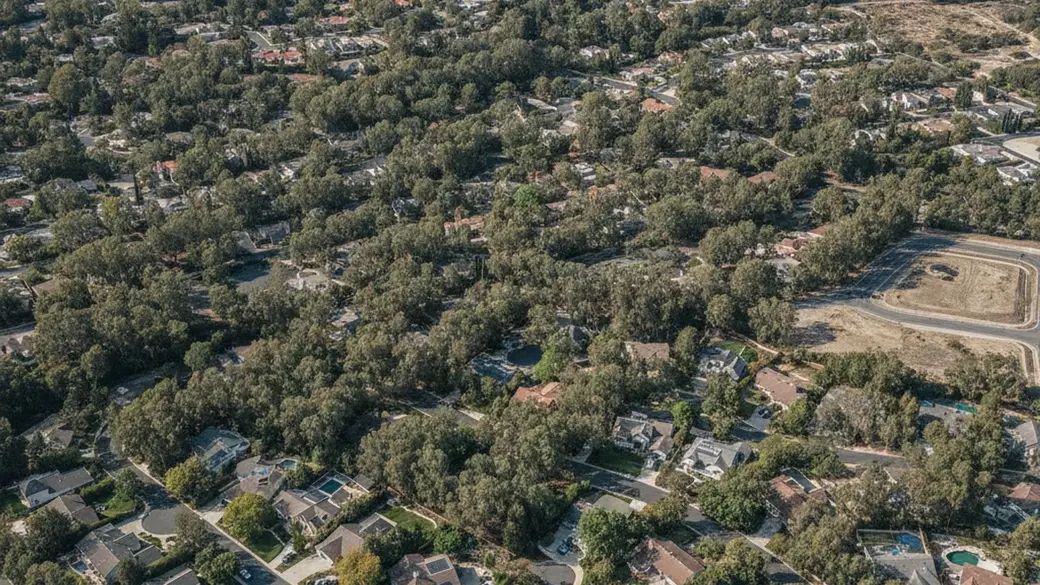
Scripps Ranch is a suburban neighborhood in the northeastern part of San Diego, characterized by its eucalyptus trees and Miramar Reservoir. Evaluate the local economic baseline before contacting the best real estate agent in Scripps Ranch San Diego to browse homes for sale. The median household income in this area generally exceeds $150,000, setting a high standard for local pricing and housing.
Housing, utilities, transportation, and daily expenses shape the cost of living in Scripps Ranch, San Diego, CA. While the overall cost of living index here outpaces the national average, residents gain access to major employment hubs, extensive hiking trails, and well-regarded educational options. These specific expense categories dictate how buyers and renters budget accurately for 2026.
Income Averages and Scripps Ranch Geography
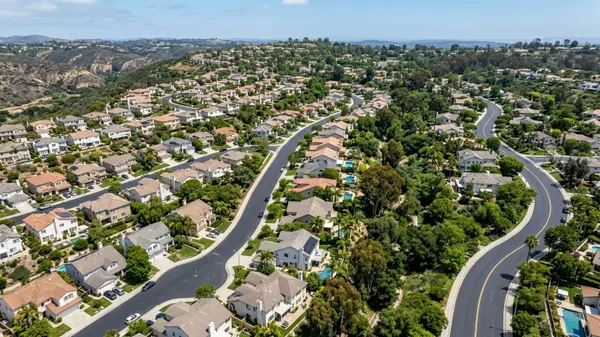
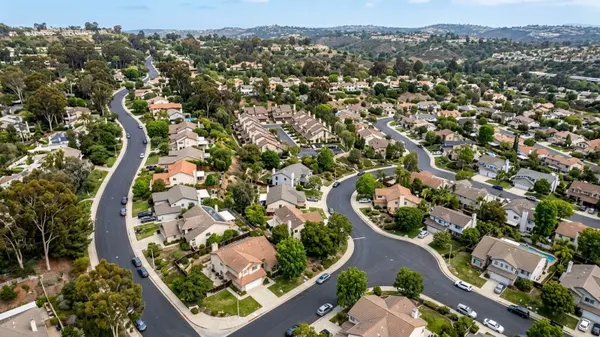
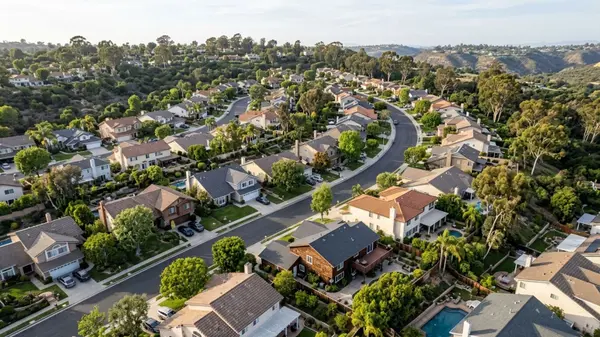
Scripps Ranch sits roughly 18 miles inland from downtown San Diego, bordered by Interstate 15 to the west and Poway to the north. The neighborhood features access to Miramar Reservoir, where residents use a five-mile paved path for walking and biking. Extensive parks and hiking trails weave through the community's subdivisions. The area's elevation provides varied terrain and mature landscaping, distinct from the coastal areas of San Diego County.
The median household income in Scripps Ranch generally exceeds $150,000. This economic foundation influences local retail options, property values, and the overall cost of goods and services. Buyers moving from outside the California average often notice that local pricing aligns with this higher earning baseline.
Proximity to major employment centers makes the area practical for working professionals. Residents can reach the beach communities or downtown within a standard commute, while enjoying a quieter suburban environment.
Housing and Rental Prices in Scripps Ranch
As of mid-2026, the median sale price for homes in Scripps Ranch is around $1,250,000. Available homes typically sell in about 25 days, with inventory remaining tight at around 37 active listings. Nearly a third of these homes sell above their asking price, and the average sale-to-list ratio sits at 99.3%. Prepare for competitive bidding, especially for detached single-family houses with updated features.
Renters also face elevated housing costs in this suburb. The average rent for an apartment or attached property runs approximately $3,400 to $3,550 per month. Renters working with a property manager will find that lease terms often require proof of income equivalent to two or three times the monthly rent.
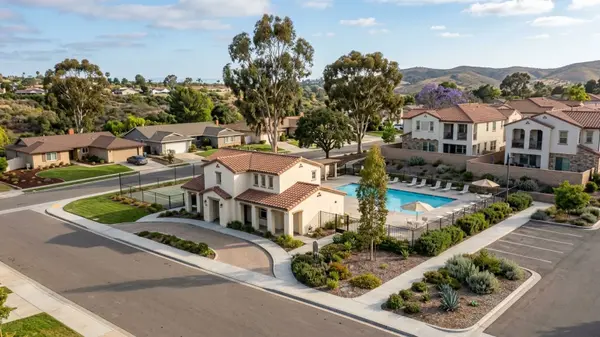
Property taxes in San Diego County generally fall between 1.1% and 1.25% of the home's assessed value. Homeowners association (HOA) dues add another layer to monthly expenses, commonly ranging from $400 to $500 for attached homes. These fees typically cover exterior maintenance, common area landscaping, and sometimes community pools.
Everyday Expenses for Groceries and Utilities
San Diego Gas & Electric (SDG&E) rates remain among the highest in the United States. Housing and utility costs drive a large portion of the area's overall cost of living index. A typical family of four can expect monthly utility bills to exceed the national average, particularly during the summer months when air conditioning usage spikes. Renters should verify whether water and trash collection are included in their monthly lease or billed separately.
Grocery prices reflect the broader Southern California market. A single person spends less than a household of four, but both will notice premium pricing on dairy, produce, and household goods. Shopping at warehouse stores like Costco helps residents manage these recurring expenses.
The community offers several convenient retail hubs. Supermarkets along Scripps Poway Parkway and the Scripps Ranch Village Shopping Center provide daily necessities. Residents can handle most of their routine shopping without leaving the neighborhood.
Commute Times and Transportation Expenses
The drive to downtown San Diego covers roughly 18 miles and takes about 25 to 35 minutes, depending on traffic conditions. Interstate 15 serves as the primary artery connecting Scripps Ranch to the rest of the city of San Diego. Commuters heading to Sorrento Valley or University City face similar travel times. Heavy traffic during peak morning and evening hours can extend these estimates.
Transportation costs include elevated gas prices and standard vehicle registration fees. California's fuel taxes push local gas prices well above the US average. Budget accordingly for fuel and potential toll lane usage on I-15 when commuting daily to major employers like Qualcomm, UCSD, or SDSU.
Public transit options in this suburb are limited compared to the urban core. Most residents rely on personal vehicles for daily errands and commuting. Daily commute costs depend entirely on the specific route to work and the fuel efficiency of the primary vehicle.
Local Amenities, Healthcare, and Schools
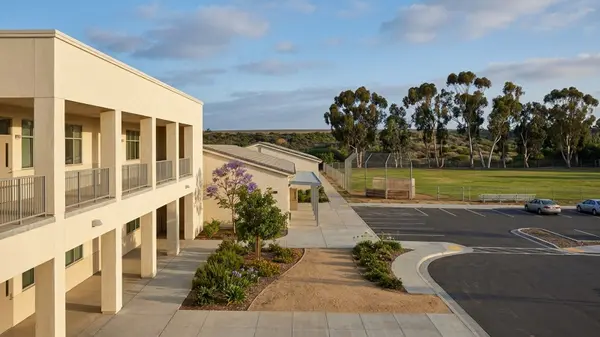
Scripps Ranch falls within the San Diego Unified School District. Scripps Ranch High School serves the older students in the area, while several elementary and middle schools operate within the neighborhood boundaries. The local educational infrastructure is a primary reason many buyers target this specific zip code. Always verify specific school assignments based on the property address.
Healthcare costs align with the broader San Diego region, which features numerous specialized medical facilities. Residents have access to primary care clinics within the neighborhood and major hospitals in nearby communities like Pomerado. Older adults and retirees often look at facilities like The Glen at Scripps Ranch, a continuing care retirement community.
Recreational activities center around the outdoors and local dining. Residents frequent local restaurants for weekend meals or spend time fishing and boating at Lake Miramar. These community features add value to the area, offsetting the higher cost of goods and services.
Frequently Asked Questions
What salary is needed to live comfortably in Scripps Ranch, San Diego?
Households relocating from outside California frequently underestimate the combined impact of premium utility rates and property taxes. Review your monthly budget carefully, as maintaining a comfortable lifestyle here often requires exceeding the $150,000 median income.
What are the typical HOA fees in Scripps Ranch?
While attached homes typically assess $400 to $500 monthly, detached single-family properties vary widely. Many older subdivisions lack an association entirely, eliminating this monthly expense for those buyers.
How do housing costs in Scripps Ranch compare to other San Diego neighborhoods?
Homes here generally price higher than the broader San Diego median but remain less expensive than coastal enclaves like La Jolla. The $1.25 million median sale price reflects the area's larger lot sizes and suburban layout.
Is Scripps Ranch considered a wealthy neighborhood?
The local economic baseline supports premium retail and specialized healthcare access within the community boundaries. High property values and well-maintained public spaces reflect the area's strong economic foundation.
What is the average rent in Scripps Ranch, San Diego?
A typical apartment lease runs roughly $41,000 to $43,000 annually. Since property managers demand gross earnings equivalent to two or three times the rent, applicants need an annual income between $82,000 and $128,000 to qualify.
How much should I budget for commuting from Scripps Ranch to major San Diego employment hubs?
Commuters can significantly reduce the financial impact of standard traffic delays by carpooling or negotiating remote work days. Calculate your expected fuel consumption based on your vehicle's efficiency and the potential need for toll lane passes.
Are utility and grocery prices in Scripps Ranch higher than the rest of San Diego County?
Prices here align closely with the rest of the county, as the entire region shares the same utility provider and regional supply chains. To manage these baseline regional costs, many residents invest in solar panels or rely on nearby warehouse clubs for bulk household goods.
Categories
Recent Posts

GET MORE INFORMATION