
How to Structure a Pricing Strategy in Scripps Ranch, San Diego, CA
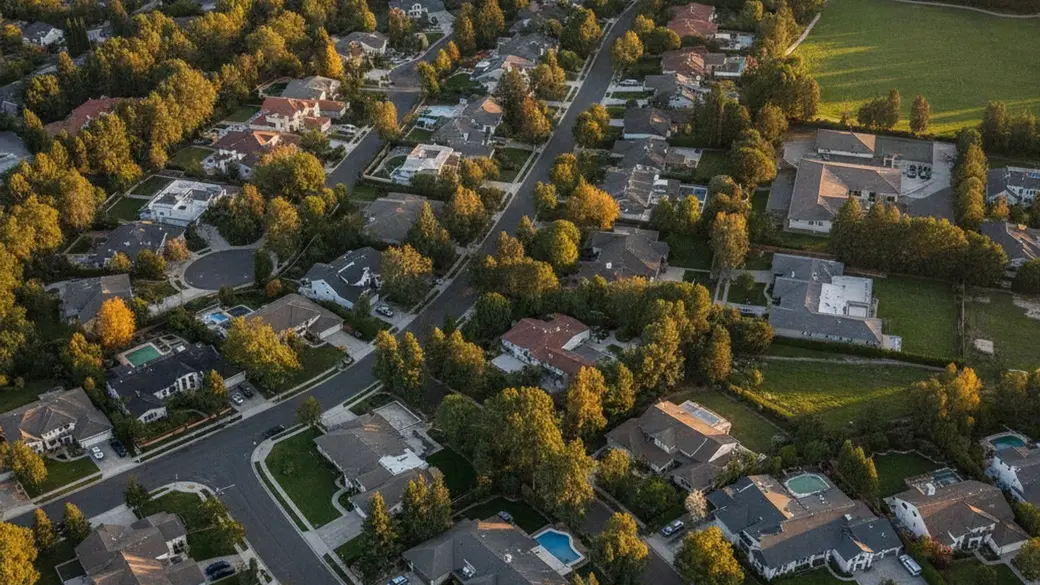
Typing an address into an automated valuation model is not pricing a home. National portals blend distinct micro-neighborhoods together and spit out estimates that miss what's actually happening on a specific street. In a market as localized as this one, the number you put on the MLS on day one determines how much attention you get - and whether you're fielding offers or watching the listing go stale. Getting that initial number right is critical when you sell a home in Scripps Ranch, San Diego.
As of mid-2026, the median sale price in Scripps Miramar Ranch is roughly $1,322,000. Buyers are active and homes are moving, but the market rewards sellers who anchor to current local data. Broader county trends won't help you here. What matters is what's closing in your specific subdivision right now.
What the Scripps Ranch Market Looks Like Right Now
The median days on market is sitting at 25. Inventory is tight - about 45 active listings and 2.6 months of supply. That kind of limited inventory gives sellers a real advantage, but only when the initial price holds up against recent comparable sales. Overshoot it and that advantage evaporates quickly.
San Diego's overall sale-to-list ratio is hovering around 99%, meaning most sellers are closing very close to what they asked. Nearly 33% of transactions in the area are selling above list price. Buyers are willing to pay market value. They're just not broadly overpaying for homes that have been sitting.
Reading the Local Balance of Power
A market at 2.6 months of supply is a seller's market. Buyers don't have many options, so when a well-priced home hits the Multiple Listing Service (MLS), they move. Sellers hold the leverage, especially during those first two weeks a listing is live.
That said, today's buyers are well-informed. They know what closed last month. They track days on market, and they'll pass on anything that feels inflated relative to what's actually sold nearby. The low supply is a genuine advantage - just don't use it as an excuse to push the price past what the data supports.
Pulling Accurate Comparable Sales
A Comparative Market Analysis (CMA) is the foundation of every pricing decision. It means reviewing recent sales of genuinely similar homes in the immediate area. To be specific: a 2-bedroom, 1,402-square-foot townhouse in the Nob Hill community at 10797 Scripps Ranch Blvd sold for $839,900 in June 2026.
If you're selling in Nob Hill, that transaction matters far more than a $2.2 million closing in Scripps Ranch East. Good comparables share the same bedroom count, similar square footage, and a comparable lot size. They also need to be recent - ideally closed within the last 90 days - so they reflect the interest rate environment and buyer demand that actually exists today, not six months ago.
Three Ways to Price Your Property
The number you put on the MLS is a marketing decision as much as a financial one. It determines which buyers search for your home, how urgently they respond, and how much negotiating room you're working with. With local homes selling in under a month on average, whichever approach you choose gets tested almost immediately.
There are really three paths: price at current market value, price slightly below it to drive urgency, or test a higher number. Each carries different timelines and different risks. Reviewing the 54 homes that recently sold in the area helps clarify which approach fits a given property type.
Listing at Fair Market Value
Pricing at fair market value means setting your number exactly where the recent comparables say it should be - no cushion, no discount. Clear, undeniable data from similar homes that just closed. It tells buyers you're realistic and ready to transact.
Homes priced this way tend to sell close to that 25-day median. Buyers and their agents recognize a fair number and are more likely to submit an offer without trying to grind you down on price. You protect your equity and avoid the risks of sitting on the market too long.
Pricing Just Below the Averages
Dropping the price slightly below established market value can generate immediate foot traffic. In an area with only 45 available homes, a perceived discount stands out in search results. That often means multiple showings the first weekend and competing offers by Sunday evening.
The strategy is to let buyers bid the price up to - or past - actual market value. A recent Scripps Ranch East home priced aggressively sold for $2.2 million, 10% over its list price, in just 5 days. The risk is straightforward: if a bidding war doesn't materialize, you've committed to that lower number. Only use this method if you're genuinely prepared to accept it.
Why Pricing High Backfires
Testing the market with an inflated price almost never produces a higher final payout. Buyers immediately stack your home against everything else available, and if the value isn't obvious, they skip the showing. Days on market accumulate.
Once a listing crosses 30 days in a market where the median is 25, buyers start assuming something is wrong with the property. That perception triggers price reductions, and those reductions often push the final sale price below what a correct launch price would have produced. The seller ends up making less, not more.
What Drives Property Values in This Neighborhood
A home's value comes down to its physical attributes and its exact location within the neighborhood. Buyers look at the permanent features first, then the condition of what's inside. Those details determine where a property lands relative to the broader $1.32 million median.
Even within the same subdivision, no two homes are identical. Lot utility, floor plan flow, and recent maintenance can mean the difference between pricing at the top of a neighborhood bracket or the bottom.
Lot Size and Micro-Neighborhoods
The specific subdivision matters more than most sellers expect. Scripps Ranch contains distinct pockets that perform very differently on the open market. Homes in Scripps Ranch East recently averaged just 21 days on the market.
Properties in The Woods at Scripps Ranch have been taking considerably longer - recently averaging closer to 78 days. One recent sale in The Woods closed at $2 million, took 13 days, and sold 4.8% under the asking price. Buyers put a real premium on larger, usable lots, and the specific zoning or HOA rules tied to a micro-neighborhood feed directly into the final appraisal.
How Condition and Upgrades Sway the Number
Move-in ready homes sell faster and for more. Most buyers don't want to take on a major renovation project the week after closing. Updated kitchens, modern bathrooms, and newer HVAC systems give you something concrete to point to when justifying a higher number.
Deferred maintenance works the other direction. A roof that needs replacing or extensive cosmetic work gets priced into every offer you receive. If you're listing a property in its original, unrenovated condition, adjust your expectations accordingly - buyers will.
When to Drop Your Asking Price
The market gives you feedback almost immediately. Price it right and showing requests start coming in within the first few days. If the phone isn't ringing, something is off.
Watch the first two weeks carefully. No offers is a signal. No showings at all is a louder one. Waiting too long to respond lets the listing grow stale, and a stale listing is a much harder problem to solve than an initial mispricing.
Tracking Showings and Offers
Steady showings with no written offers usually means buyers are touring the home, comparing it to the asking price, and deciding the math doesn't work. The home presents well online but isn't converting in person - and price is almost always the reason.
No showings at all means buyers and their agents are filtering the property out of search results before they even schedule a tour. In that case, the list price is simply too high for the home's size and location. Pull the feedback from any agents who did walk through and find out exactly where the objection is.
Making the Adjustment
When you need to reduce, make it meaningful. Small, incremental drops tend to go unnoticed and rarely generate renewed interest. A significant reduction resets the property in online search portals and signals to buyers that you're serious.
Timing matters as much as the amount. In a market with a 25-day median, sitting at an incorrect price for 45 days before cutting it is a costly mistake. Work with your agent to interpret the first 14 days of data and act decisively if the current strategy isn't producing results.
Frequently Asked Questions
How do I find accurate comparable sales to price my home in Scripps Ranch given the distinct micro-neighborhoods?
Look at recent sales within your specific subdivision - Nob Hill, Scripps Ranch East, wherever you are. Focus on homes with similar square footage that closed in the last 90 days. Automated models tend to blend these distinct pockets together, which skews the estimate in ways that can hurt you either direction.
Should I price my Scripps Ranch house slightly below market value to spark a bidding war?
It depends on your timeline and the current inventory in your specific pocket of the neighborhood. With local supply sitting at just 2.6 months, pricing slightly below recent comparables can attract multiple offers. That said, you need to be prepared to accept that lower number if a bidding war doesn't materialize.
What happens if I list my home too high initially in the current San Diego real estate market?
Your property will likely sit longer than the neighborhood median of 25 days. Buyers track how long a home has been active, and a stagnant listing almost always requires a price reduction to regain any attention. That reduction can ultimately push your final sale price lower than a correct launch price would have produced.
How much do common local upgrades, like paid-off solar panels or a pool, add to my asking price in Scripps Ranch?
The exact value depends on the specific feature and what buyers are responding to right now. Paid-off solar panels and well-maintained pools generally increase a home's appeal, but they rarely return a dollar-for-dollar match on the original investment. A local agent will compare your home to recent sales with similar features to determine the precise value adjustment.
Does the time of year change the pricing strategy I should use when selling in Scripps Ranch?
Yes. Seasonal trends affect both buyer demand and inventory levels. San Diego's mild climate keeps activity fairly consistent year-round, but spring and early summer traditionally see more active buyers. Review the current months of supply and recent sales data for your target month before settling on a list price.
As a buyer, how much over the asking price should I expect to offer for a desirable Scripps Ranch home?
It depends on the property and how it was priced to begin with. About 33% of homes in the area are selling above their list price, and the overall sale-to-list ratio is hovering around 99%. If a home is priced aggressively and draws multiple offers, be prepared to bid over asking to have a real shot at it.
Recent Posts



GET MORE INFORMATION