
California Real Estate Seller Disclosure Requirements in Scripps Ranch, San Diego
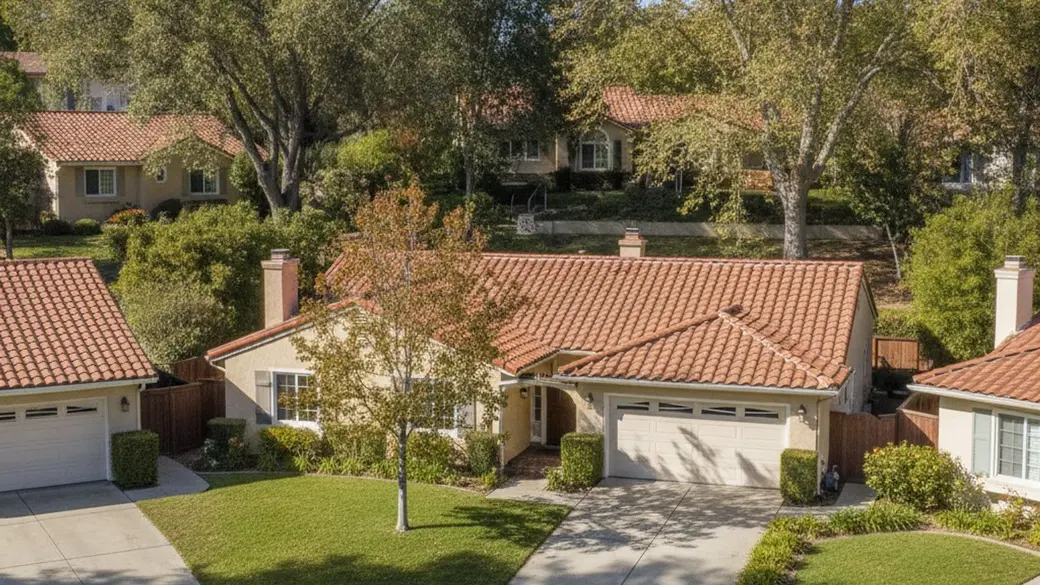
The median home price in the Scripps Miramar Ranch area sits around $1,322,000, and available homes are spending roughly 25 days on the market before selling. When a transaction moves that quickly, the paperwork exchanged during escrow matters more than most sellers expect - it protects both sides. For sellers preparing to sell a home in Scripps Ranch, accurate disclosure forms are what stand between a clean closing and a lawsuit six months later. For buyers, those same documents are the clearest window into what they're actually purchasing.
California doesn't operate on a buyer-beware standard. The law places the burden squarely on sellers to reveal known issues, dictates which standardized forms they must use, and sets firm delivery timelines. Knowing how all of this works keeps a Scripps Ranch transaction on track and out of litigation.
What a Seller Disclosure Statement Is
A seller disclosure statement is a legally required document that details a property's physical condition and history. It shifts the burden of discovery from the buyer to the seller - the seller proactively lists known defects, past repairs, and neighborhood issues rather than waiting for a buyer to stumble onto them.
For buyers, these documents provide a clear picture of the home's history before anything is finalized. For sellers, full disclosure creates a written record of what was shared, which is your strongest defense if a buyer later claims you hid something. Documenting an old roof leak or a repaired foundation isn't an admission of wrongdoing - it's protection.
The Real Estate Transfer Disclosure Statement (TDS)
Under California Civil Code Section 1102, sellers of one-to-four unit residential properties must complete the Real Estate Transfer Disclosure Statement - the TDS. The California Association of Realtors provides a standardized version titled C.A.R. Form TDS.
This form covers the physical condition of the property: built-in appliances, structural modifications, known material defects. Sellers check off included items and note any malfunctions. It needs to be filled out accurately and to the best of your knowledge - not approximately, not optimistically.
Protecting Buyers and Sellers in Scripps Ranch
Buyers use the TDS and related forms to guide their home inspections and sharpen their offers. If a disclosure surfaces ongoing plumbing issues, the buyer can bring in a specialist to price out the repairs before the contingency clock runs out.
Sellers benefit from the same paperwork for the opposite reason. A fully completed TDS demonstrates good faith, and that's the most durable defense available if a problem surfaces after closing.
California Real Estate Disclosure Laws
California requires sellers to disclose any known material facts that affect the value or desirability of a property. These statutes specify both the forms that must be used and the hazards that require explicit notification.
Feeling confident that your home is in great shape doesn't exempt you from this. Neither does wanting a faster sale. The law applies to nearly all standard residential transactions, with very few exceptions.
Mandatory Disclosures in California
The TDS is the core requirement, but the state also mandates specific environmental disclosures. Under the Natural Hazards Disclosure Act (California Civil Code §§1103–1103.14), sellers must provide a statutory Natural Hazard Disclosure Statement (NHDS) that identifies whether the home sits in any of six mapped hazard zones. Most sellers hire a third-party report provider to generate this document and ensure it lines up with current state mapping guidelines.
Exemptions and As-Is Sales
Listing a home "as-is" means you won't make repairs. It does not mean you can skip the disclosures. An as-is seller still completes the TDS and NHDS, documenting every known defect.
Certain transactions - foreclosure sales, probate sales, transfers between direct family members - may be exempt from the standard TDS requirement. Even in those cases, sellers carry a common law duty to disclose known material defects that affect the property's value. The exemption is narrower than most people assume.
Penalties for Failing to Disclose
Sellers who intentionally hide defects or skip required forms face real legal liability. Buyers can sue for repair costs and other damages after closing, and courts tend to take these violations seriously. The financial penalties routinely exceed whatever the seller was trying to avoid disclosing in the first place.
The Difference Between Price and Property Condition
Some states are "non-disclosure" states for sale prices - the transaction amount stays private and never hits public county databases. California isn't one of them. Sale prices are recorded and publicly available once a transaction closes, which is part of how comparable sales data gets established locally.
Property condition disclosure is a separate matter entirely, handled differently and kept private.
Non-Disclosure of Sale Price vs. Property Condition
In non-disclosure states, the county doesn't record the final purchase price for the public to see. In California, that price is on the record, which helps establish neighborhood comparable sales for anyone who wants to look.
Property condition disclosures involve the physical state of the house and are shared directly between buyer and seller during the escrow period - they don't get filed with the county.
What This Means for Local Buyers
Buyers in Scripps Ranch have access to past sale prices, which helps them put together competitive offers. When local homes are selling for roughly 99% of their list price, accurate closed-sales data is worth paying attention to.
During the purchase process, buyers also receive the full suite of condition disclosures, letting them verify the home's physical state alongside its market value before their contingency periods expire.
The Real Property Disclosure Form and What It Covers
The C.A.R. Form TDS is divided into multiple sections covering everything from built-in appliances to structural modifications. Sellers work through a checklist of items included in the sale and flag anything that's malfunctioning. The form also asks specific yes-or-no questions about the property's history, unpermitted work, and neighborhood nuisances. It takes time to do properly.
Structural and System Condition
The form requires sellers to detail the condition of the roof, foundation, plumbing, and electrical systems. If you know the HVAC system struggles during heatwaves, that goes on the TDS.
Unpermitted work and renovations that never got final city sign-off also need to be disclosed here. Buyers use that information to schedule targeted inspections and verify whether the modifications are safe.
Environmental and Hazard Disclosures
The NHDS covers six specific zones: Special Flood Hazard Area, Dam Inundation Area, Very High Fire Hazard Severity Zone, State Responsibility (wildland fire) Area, Earthquake Fault Zone, and Seismic Hazard Zone.
If the hazard maps aren't precise enough to clearly show the property falls outside a zone, the disclosure defaults to "Yes." Most sellers use a third-party NHD company to get this right and limit their exposure.
Known Defects and Repairs
Past problems you've already fixed - a resolved slab leak, a repaired retaining wall - still need to be listed. They're relevant because they tell the buyer something about the home's maintenance history and flag the spots a good inspector should look at carefully.
The standard is actual knowledge. You're not required to hire an inspector to hunt for unknown problems before listing. You are required to honestly report what you already know.
Disclosure Deadlines and Timing in the Transaction
California Civil Code requires sellers to deliver the TDS and related disclosures "as soon as practicable before transfer of title." That phrasing is deliberately vague, so standard real estate contracts layer on specific day-count deadlines to keep things moving.
Missing those deadlines doesn't just slow things down - it hands the buyer an extended window to walk away from the deal.
When Sellers Must Deliver the Disclosure Form
The standard C.A.R. Residential Purchase Agreement requires sellers to provide all disclosures, including the TDS, within seven days after offer acceptance.
Most listing agents recommend having these forms ready before the home goes on the market. Waiting until you're under contract just creates unnecessary pressure and risk.
Buyer Rescission Windows
If a seller delivers the TDS or other mandatory disclosures after the buyer signs the purchase offer, California Civil Code §1102.3 gives the buyer a specific cancellation window - enforceable under §1102.13.
Delivered in person, the buyer has three days to terminate. Delivered by mail or electronic transmission, that window extends to five days. Either way, late delivery gives the buyer leverage you'd rather not hand them.
San Diego County Recording Notes
The TDS and NHDS are not recorded with the San Diego County clerk. They're private documents between the parties, not part of the public record.
That said, buyers should store them carefully after closing. If a dispute surfaces months later, the original signed disclosure forms are the primary reference for what the seller communicated - and the absence of those documents helps no one.
Frequently Asked Questions
What specific wildfire or natural hazard disclosures are required for homes in Scripps Ranch, San Diego?
Sellers must provide a Natural Hazard Disclosure Statement (NHDS) under California Civil Code §§1103–1103.14. This form requires disclosure if the property sits in any of six zones, including Very High Fire Hazard Severity Zones, State Responsibility (wildland fire) Areas, and Earthquake Fault Zones. Most sellers hire a third-party NHD provider to prepare this statement.
What happens if I fail to disclose unpermitted renovations when selling my Scripps Ranch house?
Failing to disclose known unpermitted work violates California disclosure laws. The buyer can sue you after the sale for the cost of retroactively permitting the work, making repairs, or other damages related to the omission.
Am I required to provide HOA documents and CC&Rs as part of my seller disclosures in Scripps Ranch, CA?
Yes, sellers must disclose material facts about the property, which includes HOA membership and rules. While the primary statutory form mandated by California Civil Code Section 1102 is the TDS, standard purchase agreements also require the delivery of HOA governing documents to the buyer.
Who typically pays for the Natural Hazard Disclosure (NHD) report in a San Diego real estate transaction?
The responsibility for paying for the NHD report is negotiated in the purchase contract. In many transactions, the seller pays for this third-party report to fulfill their statutory obligations under California Civil Code §§1103–1103.14.
If I list my property 'as-is' in San Diego, do I still need to fill out the Transfer Disclosure Statement (TDS)?
Yes. Selling a home "as-is" means you will not make repairs, but you are still legally required to complete the TDS and NHDS. You must disclose all known material defects to the buyer so they can make an informed decision.
How many days after accepting an offer do I have to provide all seller disclosures to a Scripps Ranch buyer?
The standard C.A.R. Residential Purchase Agreement contractually requires sellers to provide all disclosures within seven days after offer acceptance. California law broadly requires them to be delivered "as soon as practicable before transfer of title."
Recent Posts








GET MORE INFORMATION