
Choosing Between Scripps Ranch, San Diego, CA and Sabre Springs, CA in 2026
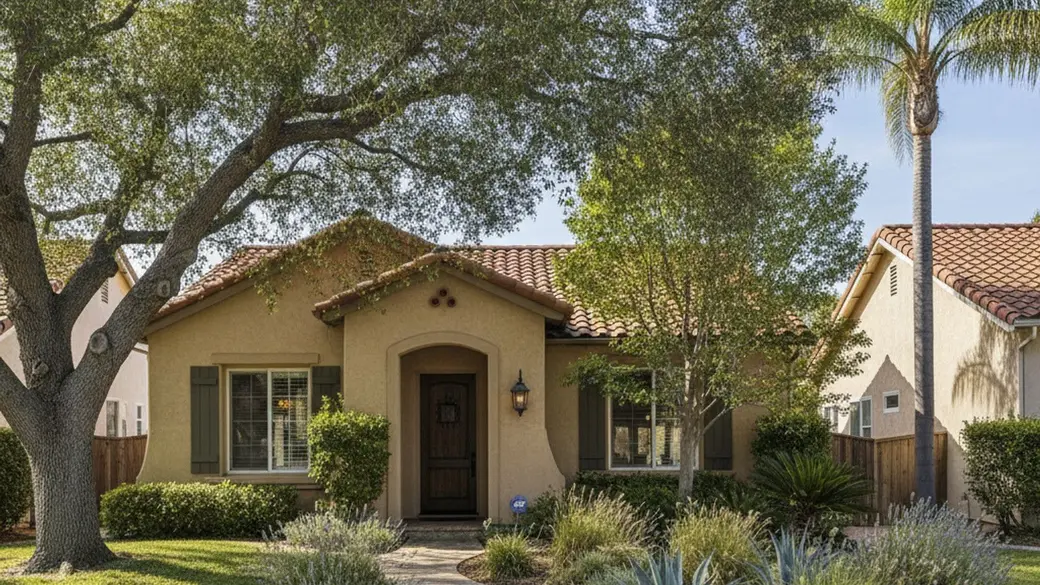
Inland San Diego County offers several suburban neighborhoods along the Interstate 15 corridor. Buyers looking at the northern edge of the city limits often narrow their search down to two adjacent options: Scripps Ranch and Sabre Springs. If you are researching living in Scripps Ranch, San Diego, Sabre Springs is a closely matched alternative. Both areas feature mature landscaping, access to major tech hubs, and a mix of single-family homes and attached properties.
Deciding between the two comes down to specific housing budgets, commute preferences, and school district zoning. The boundary line dividing these communities dictates important details like property taxes and local park access. Reviewing the 2026 market data and local geography will help you determine which location fits your needs.
Real Estate Pricing and Property Types
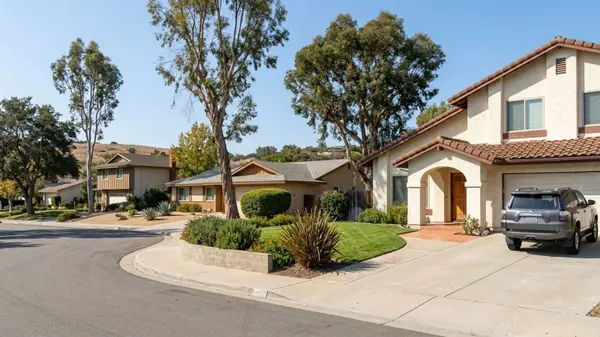
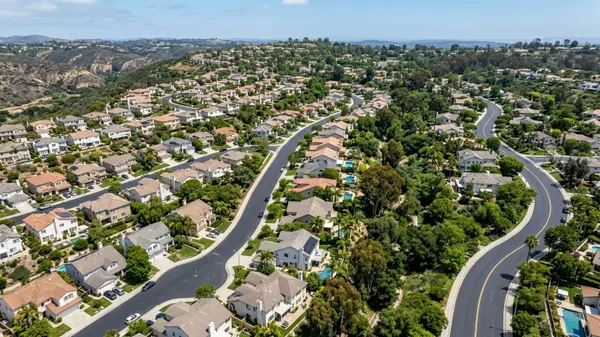
The median sale price in Scripps Ranch sits around $1,250,000 as of mid-2026. Homes in this area sell in roughly 25 days, with sale prices averaging just under 100% of the list price. Buyers will find mostly detached single-family properties on larger lots, along with a smaller selection of townhomes.
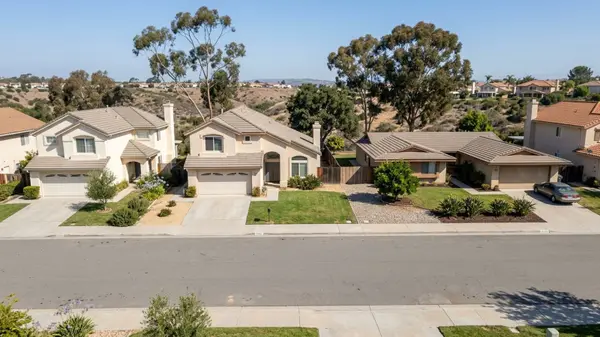
Sabre Springs offers a slightly lower entry point for buyers in the inland market. Median home prices here sit between $770,000 for attached units and $1,030,000 for detached houses. The housing mix in Sabre Springs leans slightly more toward condominiums and compact single-family homes compared to its southern neighbor.
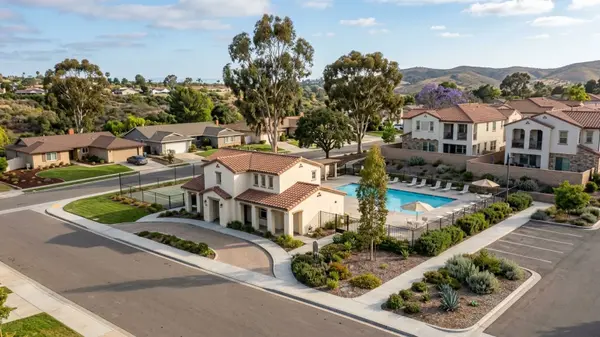
Buyers should factor property taxes and homeowner association (HOA) dues into their monthly budget. Many subdivisions in both areas charge monthly HOA fees to maintain common areas, community pools, and private roads. Lenders will include these mandatory fees in your debt-to-income ratio during the mortgage underwriting process.
Highway Access and Commute Times
Both neighborhoods sit directly adjacent to the Interstate 15 corridor, providing a straight path south toward central San Diego. Drivers heading to Downtown San Diego can expect a morning commute of 25 to 35 minutes during standard work hours. Accessing the freeway is straightforward, with Scripps Ranch using the Mira Mesa Boulevard or Pomerado Road on-ramps and Sabre Springs relying on the Poway Road exit.
Commuters working in the Sorrento Valley tech hub usually take State Route 56 west. The drive from either neighborhood to Sorrento Valley takes 15 to 25 minutes, depending on the specific subdivision you leave from. Sabre Springs residents have a slight geographic advantage for SR-56 access, as the highway connects directly to I-15 just north of the neighborhood boundary.
Local travel between neighboring communities often bypasses the main freeways entirely. Pomerado Road runs parallel to I-15, connecting Scripps Ranch, Sabre Springs, and nearby Poway. Drivers should use this surface street when highway traffic slows down or when running errands across neighborhood lines.
Parks, Trails, and Outdoor Recreation
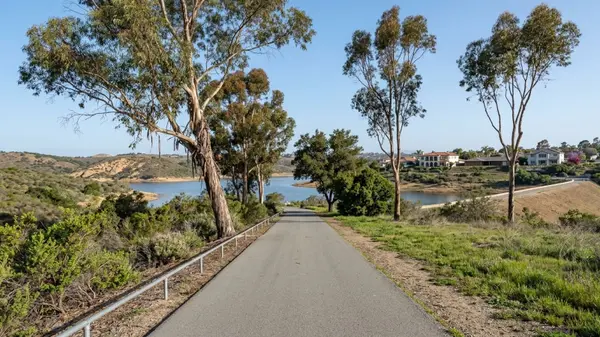
Miramar Reservoir serves as the primary outdoor landmark in Scripps Ranch. The reservoir features a paved, five-mile loop used by walkers, runners, and cyclists throughout the year. Visitors can also rent small boats for fishing or spend time at the picnic areas near the main entrance.
Sabre Springs Park provides residents with large open spaces, sports fields, and playground equipment. This park sits centrally within the neighborhood, making it accessible on foot for many nearby subdivisions. Smaller pocket parks are also scattered throughout both communities, offering basic green spaces for daily use.
Trail access is a major feature of the local geography. Sabre Springs connects directly to the trail system within Los Peñasquitos Canyon Preserve. Hikers and mountain bikers use these dirt paths to travel miles westward, crossing streams and shaded groves all the way toward the coast.
Retail Centers and Local Shopping
Commercial zoning in these neighborhoods is concentrated along specific corridors rather than spread throughout the residential streets. Scripps Ranch features several shopping plazas along Scripps Ranch Boulevard, offering fitness centers, cafes, and local restaurants. Sabre Springs clusters its retail options near the Poway Road intersection, providing quick access to daily conveniences.
Neither neighborhood contains large big-box retailers or massive shopping malls. Residents in both areas typically drive a few minutes north to Carmel Mountain Ranch for major grocery runs and hardware store trips. The Carmel Mountain Plaza and adjacent shopping centers hold national grocery chains, home improvement stores, and larger retail outlets.
Dining options within the immediate neighborhood boundaries consist mostly of casual eateries and fast-casual franchises. Buyers looking for extensive restaurant districts or nightlife will need to travel south to Mira Mesa or downtown. The local commercial centers focus on practical, daily services like dry cleaners, banks, and dental offices.
Public School District Boundaries
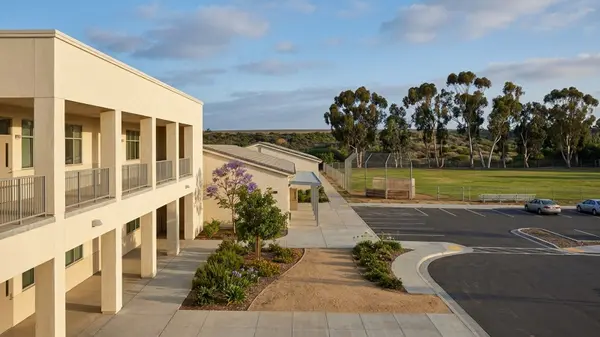
The boundary line between these two neighborhoods dictates which public school district a property falls under. Scripps Ranch addresses are zoned for the San Diego Unified School District (SDUSD). Students living here attend specific elementary, middle, and high schools located within the Scripps Ranch boundaries.
Sabre Springs falls entirely within the Poway Unified School District (PUSD). Even though Sabre Springs is located within the city of San Diego, its public schools are managed by the neighboring Poway district. This distinction is a common deciding factor for buyers comparing homes near the neighborhood border.
Buyers should always verify the exact school zoning for a specific property before submitting an offer. School boundaries can shift, and some streets near the dividing line may have unexpected assignments. You can check the current zoning by entering the property address into the official district parcel maps on the SDUSD or PUSD websites.
Frequently Asked Questions
What are the differences in home values and real estate trends between Scripps Ranch, San Diego, CA and Sabre Springs?
Scripps Ranch generally commands higher prices, with a 2026 median sale price around $1,250,000 and homes selling in about 25 days. Sabre Springs offers a lower entry point, with median prices ranging between $770,000 and $1,030,000. Sabre Springs also features a higher concentration of attached condominiums compared to the detached homes prevalent in Scripps Ranch.
Do Sabre Springs and Scripps Ranch share the same zip code?
No, these adjacent neighborhoods have different zip codes. Scripps Ranch uses the 92131 zip code, while Sabre Springs falls under 92128. Buyers setting up automated MLS searches should use these specific codes to filter properties accurately.
Is Sabre Springs part of the city of San Diego or Poway, and how does that affect local school district boundaries?
Sabre Springs is located entirely within the city limits of San Diego. However, the neighborhood is zoned for the Poway Unified School District rather than San Diego Unified. This means residents pay San Diego city property taxes but are assigned to Poway public schools.
Which neighborhood offers better I-15 highway access and faster commute times to downtown San Diego?
Both neighborhoods border Interstate 15, making the 25 to 35-minute commute to downtown San Diego nearly identical. Sabre Springs sits slightly further north but has a very direct on-ramp at Poway Road. Scripps Ranch residents use Mira Mesa Boulevard or Pomerado Road, which can add a few minutes of surface street driving depending on the subdivision.
Is Scripps Ranch considered a more affluent neighborhood compared to Sabre Springs?
Scripps Ranch has higher average property values and a larger percentage of expansive, detached single-family estates. The median home price of $1,250,000 reflects this larger housing stock. Sabre Springs has more attached housing options and smaller lot sizes, resulting in lower median sale prices.
Are home buyers subject to Mello-Roos taxes or high HOA fees in the Scripps Ranch and Sabre Springs housing markets?
Both areas have subdivisions that charge monthly HOA fees to maintain private roads and community pools. Some newer developments in the region also carry Mello-Roos special assessments, which are added to the annual property tax bill. Buyers should review the preliminary title report to confirm exact tax rates and HOA dues for a specific property.
How do Scripps Ranch and Sabre Springs compare for access to outdoor recreation, like Lake Miramar, and local retail amenities?
Scripps Ranch contains Miramar Reservoir, which offers a five-mile paved loop and boat rentals. Sabre Springs provides direct trail access to the Los Peñasquitos Canyon Preserve for hiking and mountain biking. Both neighborhoods rely on nearby Carmel Mountain Ranch for large retail centers and major grocery stores.
Categories
Recent Posts

GET MORE INFORMATION