
What to Know About the Weather and Climate in Scripps Ranch, San Diego, CA
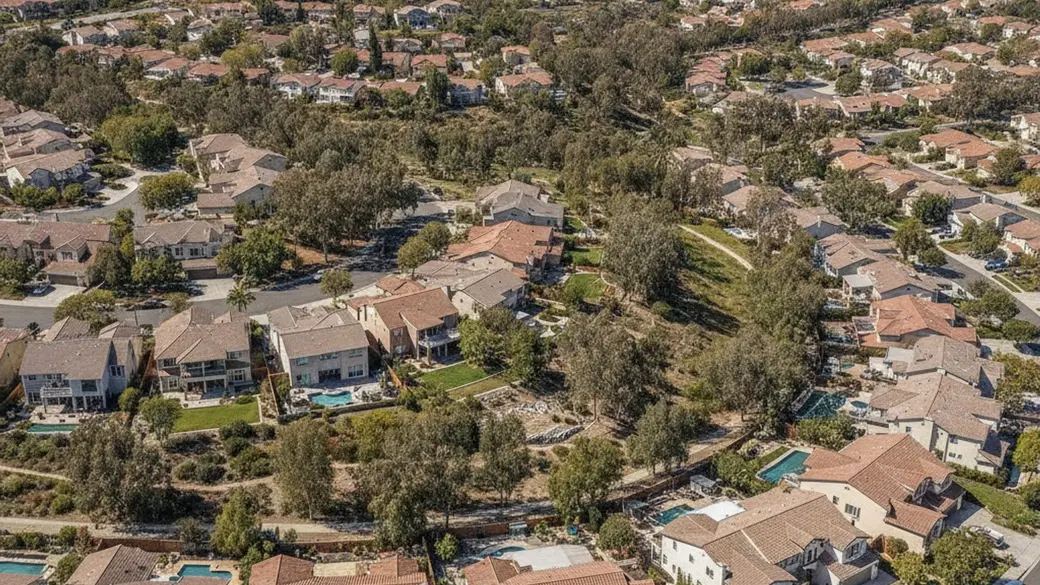
Scripps Ranch sits about 15 miles inland from the Pacific Ocean, giving it a distinct microclimate compared to San Diego's coastal neighborhoods. Buyers moving to this area often notice the shift in temperature as they drive east on Miramar Road or Pomerado Road. When searching for a home here, working with the best real estate agent in Scripps Ranch, San Diego, CA ensures you find a property equipped for the inland weather.
The median home price in this neighborhood hovers around $1,250,000, and properties spend an average of 25 days on the market. With homes selling for roughly 99% of their list price, buyers are making fast decisions on properties that offer the right balance of indoor cooling and outdoor shade.
The local climate helps homeowners plan their landscaping, energy budgets, and weekend recreation. It also provides clear expectations for seasonal maintenance tasks.
How the Inland Microclimate Compares to the Coast
San Diego is famous for its mild coastal weather, but moving 15 miles inland changes the daily temperature swings. Scripps Ranch experiences hotter afternoons and cooler nights than beachfront communities like La Jolla or Pacific Beach.
The marine layer still reaches this far east during the late spring and early summer months. Morning skies often feature mostly cloudy conditions or patchy fog that burns off by midday, leaving bright afternoon sun.
Humidity and dew point levels remain relatively low for most of the year. While late summer can bring occasional muggy days driven by tropical cyclone remnants off the coast of Mexico, the air feels noticeably drier here than it does right on the water.
Annual Temperature and Precipitation Trends
The neighborhood enjoys a Mediterranean climate with clear seasonal patterns. Homeowners rely on local meteorologists or apps like AccuWeather for the hourly weather forecast, especially during the transition seasons when temperatures fluctuate.
Summer and winter bring distinct averages that influence daily routines and utility bills:
-
Summer (August): Highs average around 82 degrees, while overnight lows drop to a comfortable 66 degrees.
-
Winter (January): Daytime highs reach roughly 66 degrees, with low temperatures dipping to about 49 degrees at night.
-
Rainfall: The area receives roughly 10 to 12 inches of precipitation annually, largely concentrated in January and February.
Most days are sunny, though seasonal drizzle and the occasional low-pressure area bring much-needed moisture to the local flora. Severe weather is rare, but residents do monitor the forecast for heat waves during the late summer and fall.
Matching Your Home to the Local Environment
Central air conditioning is a standard feature for homes in this zip code. The hot inland summer afternoons make reliable HVAC systems a priority for buyers touring the current inventory of about 37 available homes.
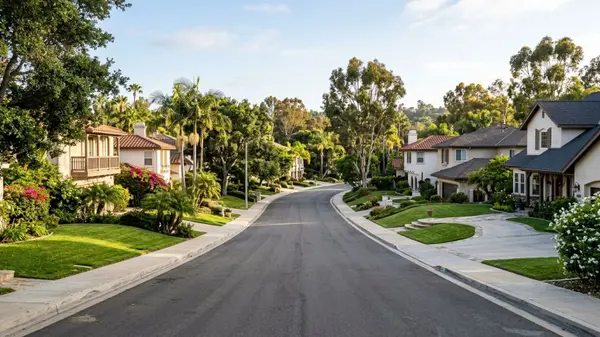
Outdoor living spaces are designed to minimize heat absorption and maximize shade. Covered patios, pergolas, and strategically planted shade trees allow residents to use their backyards even during a heat wave.
Inside the house, tile and hardwood floors help keep the environment cool. Pet owners often notice their dogs splooting on these hard surfaces to regulate their body temperature when the afternoon sun hits its peak.
Landscaping trends have shifted toward drought-tolerant plants and hardscaping. Managing water usage during the dry months helps homeowners control their utility costs while maintaining curb appeal.
Planning Outdoor Activities Around the Forecast
The mild conditions make it easy to utilize local parks and natural spaces throughout the year. The Elliot Chaparral Reserve and Lake Miramar offer miles of trails for hiking, running, and cycling.
Many residents schedule their outdoor workouts for the early morning to take advantage of the cool marine layer. Avoiding the peak afternoon heat makes long runs or bike rides much more comfortable.
Checking the local radar helps locals plan around unexpected patches of thick fog or sudden temperature spikes. On particularly hot days, activity shifts to the evening once the sun sets and the inland breeze picks up.
Wildfire Mitigation and Property Maintenance
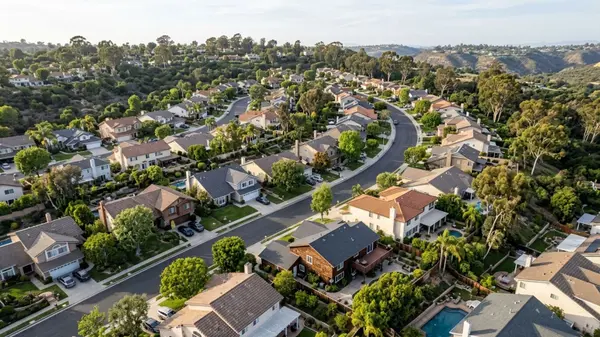
Scripps Ranch is known for its mature eucalyptus groves, which provide shade but also require active management. The historical 2003 Cedar Fire reshaped how the community approaches property protection and landscaping.
Homeowners must maintain defensible space around their structures by clearing dry brush and trimming tree branches away from roofs. The local Fire Safe Council and community HOA rules enforce these firebreaks to protect the neighborhood.
Fall brings Santa Ana winds, which drive up temperatures, lower humidity, and increase the risk of fire. During these wind events, air pollution and dust can temporarily reduce local air quality.
Upgrading a property to meet modern home hardening standards can cost upwards of $15,000 to $50,000, depending on the roof materials and vent screens chosen. These investments help secure the property against blowing embers during extreme weather alerts.
Frequently Asked Questions
How much hotter is Scripps Ranch than coastal San Diego?
During the summer, daytime highs in Scripps Ranch are typically 5 to 10 degrees warmer than neighborhoods right on the ocean. The 15-mile inland buffer blocks the constant cooling effect of the ocean breeze.
Does Scripps Ranch get the coastal marine layer?
Yes, the marine layer frequently pushes into the inland valleys during May and June. It usually presents as mostly cloudy morning skies that dissipate by noon, leaving clear afternoons.
What are the wildfire risks in Scripps Ranch?
The combination of dry brush, eucalyptus trees, and seasonal Santa Ana winds creates a known fire risk. Local regulations mandate enforced defensible space and brush clearing to mitigate this hazard.
How do wildfire risks and local climate impact homeowners insurance costs in Scripps Ranch?
Insurance carriers closely evaluate properties in this zip code due to historical fire activity and wind patterns. Buyers should expect higher annual premiums compared to urban coastal areas and may need to purchase policies through the California FAIR Plan.
Do homes in Scripps Ranch typically need central air conditioning?
Almost all modern homes in the area feature central AC to handle the summer heat. With August highs averaging 82 degrees and occasional heat waves pushing temperatures higher, cooling systems are a standard buyer expectation.
What are the wettest months for rainfall in Scripps Ranch, San Diego?
January and February see the majority of the area's precipitation. The neighborhood averages 10 to 12 inches of rain per year, mostly arriving via winter low-pressure systems.
Categories
Recent Posts





GET MORE INFORMATION