
Funding Your Purchase: Homebuyer Assistance Programs in Scripps Ranch, San Diego, CA in 2026
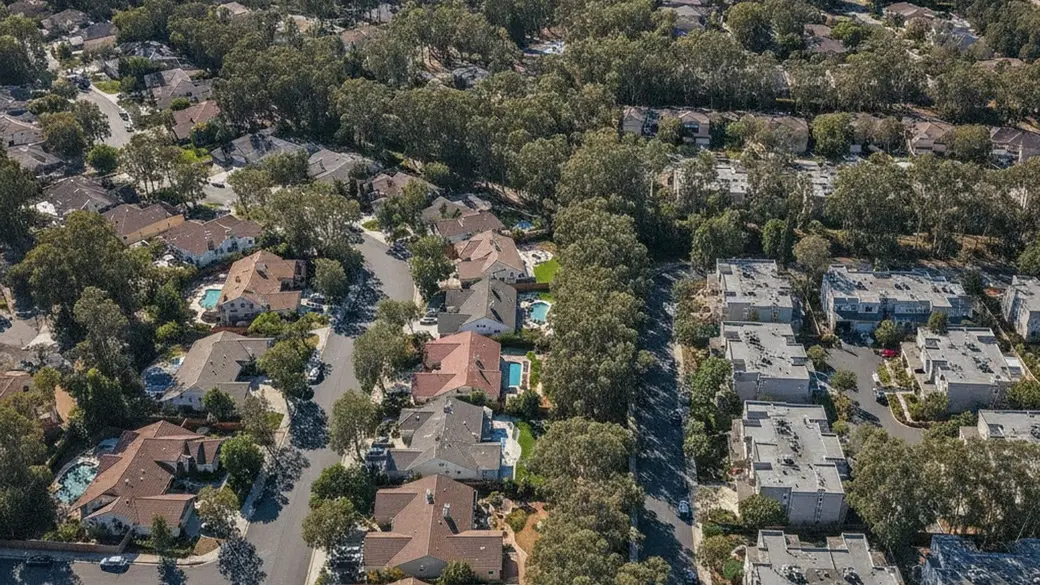
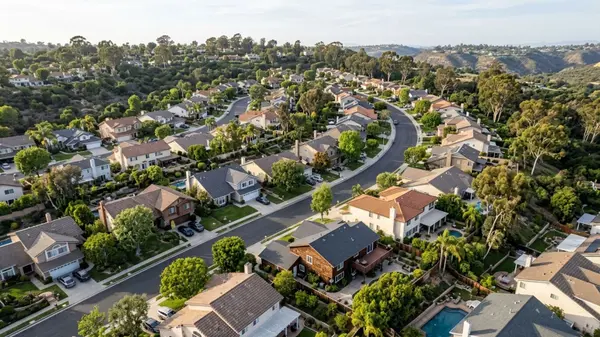
Scripps Ranch sits within the northeastern city limits of San Diego, CA, characterized by its eucalyptus trees and proximity to Miramar Reservoir. Purchasing a property here requires substantial capital, especially as local home values have climbed steadily through early 2026.
Many prospective buyers assume they need a full 20 percent down payment to secure a mortgage in this zip code. Fortunately, homebuyer assistance programs in Scripps Ranch, San Diego, CA offer down payment grants and deferred payment loans that lower the upfront cash required at the closing table. These financial tools help residents transition from renting to owning without draining their savings accounts.
What to Expect in the Scripps Ranch Real Estate Market
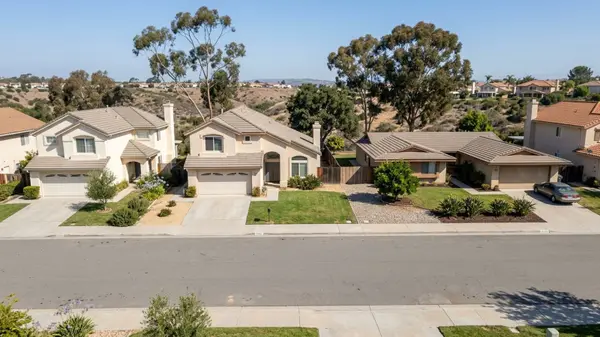
The median home price in Scripps Ranch sits between $1,300,000 and $1,400,000 as of mid-2026. Buyers will find a mix of large single-family homes, townhouses, and condominium complexes throughout the area. Many of these attached properties and subdivisions include monthly homeowners association (HOA) fees that buyers should factor into their debt-to-income ratios.
The neighborhood provides direct access to the I-15 corridor, which translates to a commute of roughly 20 minutes to downtown San Diego under normal traffic conditions. Local addresses fall under the San Diego Unified School District. Residents also have immediate access to outdoor recreation at Miramar Reservoir, which features a five-mile paved trail loop.
Local Grants and Loans Through the San Diego Housing Commission
The San Diego Housing Commission (SDHC) provides financial help specifically for buyers purchasing within the city limits. Because Scripps Ranch is part of the city of San Diego, CA, properties here are eligible for SDHC deferred payment loans. These loans cover a percentage of the purchase price to reduce the primary mortgage amount.
The SDHC programs also offer closing cost assistance grants of up to $10,000. These deferred loans do not require monthly payments. Instead, the principal balance and any accrued interest become due only when the owner sells the home, transfers the title, or refinances the first mortgage.
Funding for these local initiatives comes primarily from the federal HOME Investment Partnerships Program and the United States Department of Housing and Urban Development. Buyers should check current funding availability, as these local pools replenish at specific times of the year.
State-Level Options from CalHFA
The California Housing Finance Agency (CalHFA) operates the Dream For All shared appreciation loan. This program provides up to 20 percent of the purchase price, capped at $150,000, to be used for a down payment or closing costs. In exchange for this upfront capital, the homeowner agrees to repay the original loan amount plus a predetermined share of the home's appreciation upon sale or transfer.
CalHFA transitioned the Dream For All program to a lottery-style voucher system to manage demand. The state released the most recent round of vouchers in May 2026. Buyers selected in the lottery have a set timeframe to find a home and enter into a purchase contract.
Buyers who do not secure a shared appreciation voucher can look into the CalHFA MyHome assistance program. This option provides a smaller deferred loan that pairs directly with an FHA insured loan, a VA loan, or a conventional first mortgage. MyHome funds cap out at a lower percentage of the purchase price but remain consistently available throughout the year.
Income Limits and Program Qualifications
Eligibility comes down to household size, total income, and the applicant's real estate history. The property purchased must serve as the buyer's primary residence. Investors looking to buy rental properties do not qualify for these public funds.
Applicants must meet specific thresholds to secure approval. The core requirements include:
-
First-time buyer status: Most programs require that you have not owned a primary residence in the past three years. Some state funds, like the Dream For All program, now require at least one borrower to be a first-generation homebuyer.
-
Income caps: SDHC limits household income to specific percentages of the San Diego County Area Median Income (AMI), typically capping eligibility at 80 percent or 120 percent of the AMI depending on the exact grant.
-
Credit score minimums: Borrowers generally need a minimum credit score between 640 and 680 to qualify for the accompanying first mortgage.
Buyers should review their tax returns to ensure their total household income aligns with the county limits. Loan officers will verify income from all adult household members, even those who will not be listed on the loan.
Steps to Secure Your Financing
Most public housing assistance programs require applicants to complete a HUD-approved homebuyer education course. This is a mandatory step, and buyers must finish the coursework and receive their completion certificate before signing a purchase contract. The curriculum covers budgeting, loan terminology, and the responsibilities of homeownership.
Buyers should then seek pre-approval from a participating loan officer. Not all lenders have the authorization to originate CalHFA or SDHC loans. Working with an approved local lender ensures the mortgage team understands the specific underwriting timelines for state and city grants.
The application process requires extensive documentation. Underwriters will ask for recent pay stubs, two years of W-2s, complete tax returns, and current bank statements. Gathering these documents early helps prevent delays when a Scripps Ranch property hits the market.
Frequently Asked Questions
What is the home buying assistance program in San Diego?
The San Diego Housing Commission offers deferred payment loans and up to $10,000 in closing cost grants for purchases within city limits. These funds do not require monthly payments and are repaid when the property is sold or refinanced. Buyers pair this assistance with a traditional first mortgage to reduce their upfront cash requirements.
What income is considered low income in San Diego?
Income limits depend on household size and are tied to the Area Median Income for San Diego County. For a family of four in 2026, the 80 percent AMI threshold sits near $110,000, though exact figures update annually. Programs use these county-level metrics to determine who qualifies for specific deferred loans.
Is California offering up to $150,000 for first-time homebuyers?
Yes, the state's Dream For All program provides up to 20 percent of the purchase price, capped at $150,000. This shared appreciation loan requires buyers to repay the principal plus a portion of the home's gained value when they eventually sell. CalHFA currently issues these funds through a randomized voucher system.
Categories
Recent Posts






GET MORE INFORMATION